

In a world where visual noise and the superfluous often predominate, minimalism presents itself as a breath of fresh air. This philosophy, which has its roots in art and design, advocates a return to the essentials, highlighting the elegance of simplicity and the beauty of functionality. Adopting a minimalist style at home means choosing to live in a place where every object has a purpose, where harmony and tranquility reign supreme. Whether through clean lines, neutral colors, or natural materials, minimalism invites us to redefine our relationship with space and the objects around us.
The Foundations of Minimalism
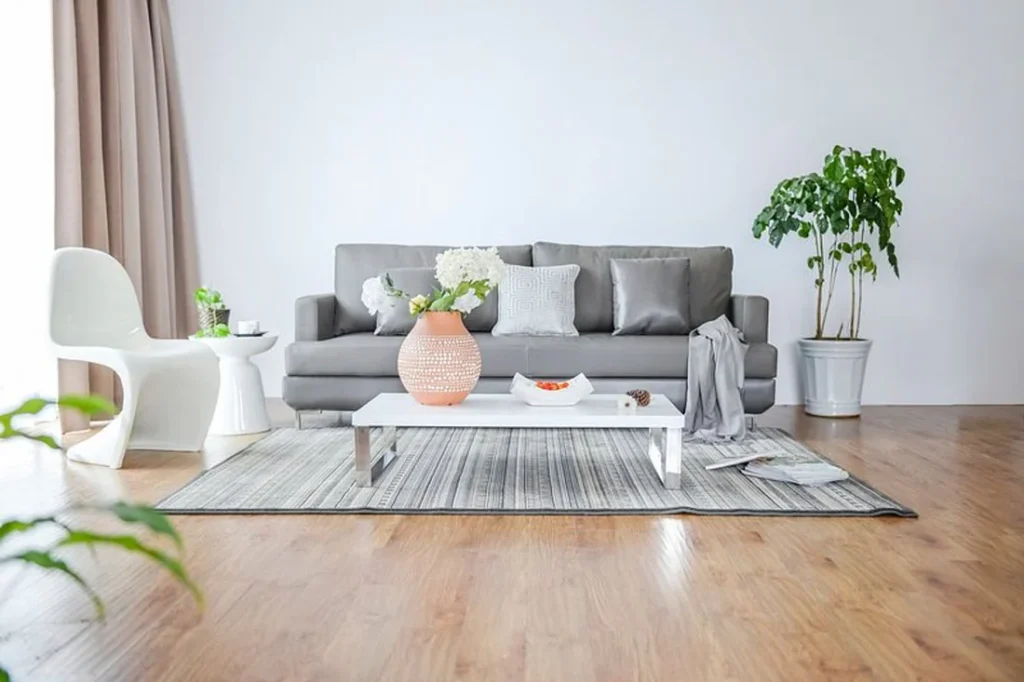
Minimalism goes beyond visual simplicity; it embodies a quest for meaning and intentionality in our lifestyle and decor choices. This journey begins with an introspection into what truly enriches our daily lives. It all starts with a reflection on our real needs. In a minimalist interior, each element must fulfill a specific function, whether practical or aesthetic. This is an opportunity to ask yourself the right questions: What do I really need? What contributes to my well-being at home? This process of questioning helps to distinguish the essential from the superfluous, leading to physical and mental decluttering. Far from being synonymous with coldness or emptiness, minimalism highlights the space itself, as well as the quality and form of the objects that inhabit it. By carefully choosing a few pieces of furniture or decorations, designer wall and floor coverings, preferably in large formats, we create a harmonious environment where each element has its purpose. This deliberate simplicity invites serenity and contemplation, offering a soothing counterpoint to the chaos of everyday life. Adopting a minimalist style at home also means thinking about the layout of your living space. The goal? Maximize the available space to make it both functional and aesthetically pleasing. This involves using light colors, which visually enlarge the space, and a clean layout, which makes it easier to move around. Small steps toward big change: The first step toward a minimalist interior could be as simple as choosing a corner of your home to declutter. Once the space is cleared, observe the impact on your perception of the room and your state of mind. This simple yet revealing exercise can be the starting point for a more profound transformation of your living environment.
Maximize space without cluttering it
Creating a minimalist interior means meeting the challenge of optimizing a storage area without cluttering it. Here are some tips for achieving this goal by making your space both open and welcoming.
- Define clear zones: Assign a specific function to each area of your home. This helps maintain order and prevent the accumulation of unnecessary items.
- Smart furniture choices: Opt for furniture that offers built-in storage solutions. This helps keep surfaces uncluttered and maintain a clean look.
- Vertical storage strategies: Use walls for storage. Open shelving or wall-mounted storage systems can store and display items without taking up floor space.
- Allow space to breathe: Maintain a clear area between the sofa, bookshelf, coffee tables, or other decorative elements, for example. This helps create a sense of fluidity and openness in your interior.
To emphasize this feeling of space, consider tiles in neutral colors, such as beige, which can visually enlarge a room and perfectly complement a minimalist decor.
The art of selecting your furniture
In a minimalist interior, every piece of furniture should be both functional and aesthetically pleasing. Here’s how to choose pieces that align with the philosophy of minimalism while making your home both stylish and practical. Every room should have a purpose, a primary function. Choose furnishings that offer storage solutions or can serve multiple purposes. Opt for furniture with clean lines and timeless designs. This creates a sense of calm and order. Don’t forget about visual consistency. Make sure your furniture fits well with your minimalist color palette and contributes to the visual unity of the space. Opt for versatile furniture: furniture that can be modified or adjusted to suit different needs saves space and increases the functionality of your interior. For those looking to infuse their living room with a minimalist touch,llarge-format elelements canontribute to a clean look by visually simplifying the surface and highlighting carefully selected furniture.
Minimalist colors, choose your tones ccarefullyy
Color plays a crucial role in creating a minimalist decor. It influences not only the aesthetics of your home, but also its ambiance and how you feel in it. Here’s how to select a color scheme that embodies simplicity and tranquility. The foundation of a minimalist color palette often rests on neutral tones. White, beige, gray, and black form the ideal backdrop for a clean and calming decor. These colors promote a feeling of openness and light, visually enlarging small spaces. Add pops of color! While neutral tones dominate, pops of color can enrich a design without overwhelming it. Opt for subtle accents in soft colors like pale blue, sage green, or earthy tones. These shades, used sparingly, add depth and personality. Test before committing: Before painting an entire wall or renovating, it’s wise to test the shades in different lighting and at different times of day. This will help you see how the shades change and interact with the atmosphere and natural lightLight illuminates with elegance
Lighting plays a key role in defining the atmosphere of a minimalist interior. Here’s how to use it to create an inviting and well-balanced environment.
- Natural light: Maximize natural light. Clear windows not only make the space appear larger, but also promote well-being.
- Strategic lighting: Use specific light sources to highlight architectural features or decorative pieces. A targeted reading lamp, for example, combines utility and style.
- Variety of sources: Mix different types of lighting (ambient, task, and accent) to add depth and dimension to your decor.
- Choosing the layout: Lighting fixtures should be in keeping with the minimalist aesthetic. Simple, clean designs complement the layout without overwhelming it.
- Color temperature: Choose bulbs that provide warm light for a welcoming atmosphere, especially in relaxation areas.
Subtlety in the details, accessories ,and textiles
In the minimalist world, every element must have its place and purpose. Here’s how to refine your style with discernment. Choose accessories carefully, focusing on one or two well-chosen objects, whether artwork or designer pieces, as they can become visual anchors for your space. These elements should resonate with your personal aesthetic and not create visual clutter. ikewise, don’t overlook the role of textiles, which offer a unique opportunity to introduce texture into a room while maintaining a minimalist color palette. A wool throw on the living room sofa, a jute rug under the coffee table, and linen curtains and bedding in the bedroom can add a layer of chic warmth and comfort. You can add a touch of nature; plants are a vibrant way to add color and texture without overwhelming them. A large houseplant or a minimal set of succulents can revitalize a bathroom or kitchen while maintaining a clean aesthetic . Boxes and baskets for small everyday items. Choose storage solutions that fit into your decor in a way that is both practical and aesthetic, allowing you to keep your space tidy.
Sustainable minimalism materials and eco-design
A minimalist style isn’t just about aesthetics; it’s also an opportunity to embrace sustainability principles. Here’s how to choose eco-friendly materials and design practices for an eco-friendly minimalist interior. Favor sustainable materials: Opt for renewable or recycled materials whenever possible. Certified wood, bamboo, linen, and ceramic are popular choices that combine durability with a minimalist aesthetic . Eco-design in furniture: Look for furniture pieces that are ethically produced and use responsibly managed resources. Novoceram, for example, has adopted an eco-friendly approach to minimize its impact on the environment. Modular or expandable furniture is also an excellent choice, adapting to your needs without the need for frequent replacement. Reduce, reuse, recycle: Having a minimalist approach means applying the principles of waste reduction to every aspect of your decor. This can mean choosing second-hand items with character, or reusing and transforming existing pieces to give them a new life. To finalize your journey into the world of minimalism, seek inspiration from those who have mastered this art, whether they are designers, architects, or simply interior design enthusiasts. Remember, minimalism is a personal journey; it’s about finding what resonates most with you and your lifestyle.